The Story
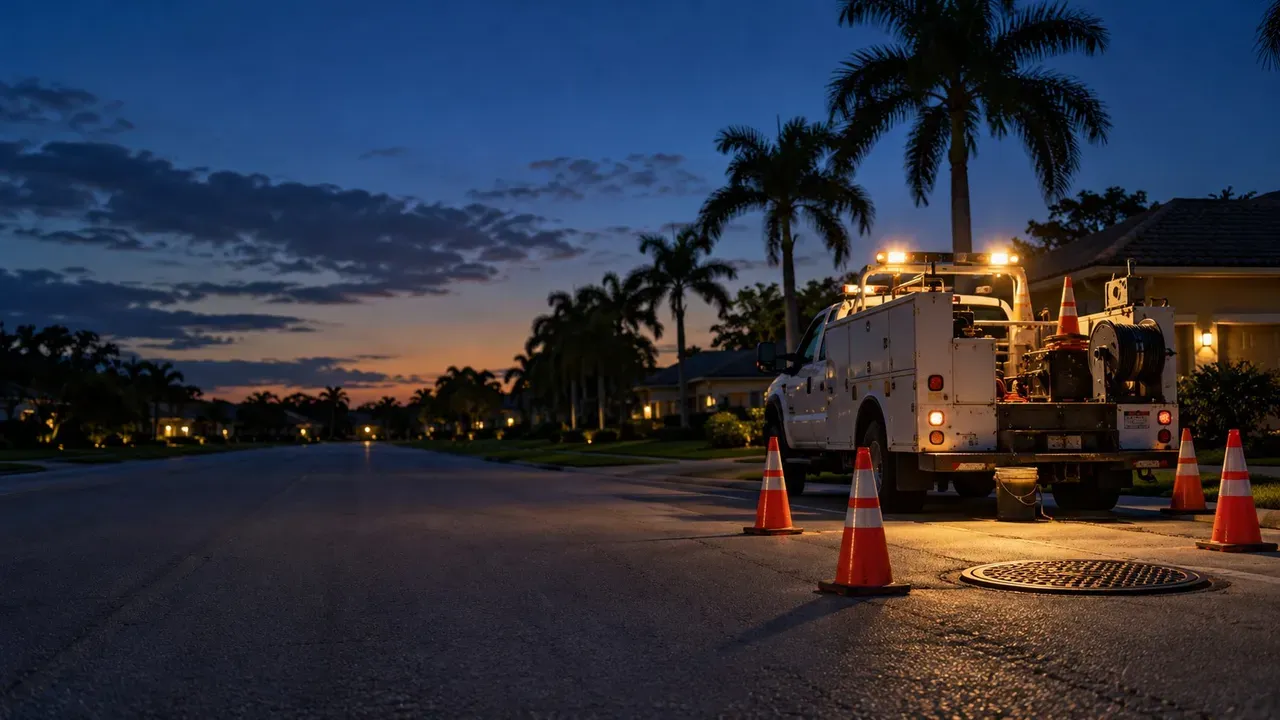
DC Water is permanently repairing about 1,700 feet of the Potomac Interceptor, a 60 inch sewer, near Pennyfield Lock in Montgomery County, Maryland, according to a November 11 release from DC Water. Crews are sliplining the section, which means pulling new pipe sections inside the existing line instead of digging it up and replacing it.
According to DC Water, the utility inspected all 54 miles of the Potomac Interceptor earlier this year. That work found severe deterioration in this section, including significant corrosion and exposed steel rebar, and emergency repairs began in June.
The job requires heavy equipment and large pipe sections on site, so DC Water says parts of the C & O Canal National Historical Park at Pennyfield Lock and a nearby Montgomery Parks boat ramp will close from as early as November 13 through November 22, depending on weather.
Source: DC Water, Pennyfield Lock Area to Close Temporarily as DC Water Makes Permanent Repairs to Potomac Interceptor Sewer Line, November 11, 2026
The infraTerra Take
Our recommendation for Florida utilities is simple: put your large diameter trunk sewers and interceptors on an end to end inspection schedule before one of them makes the decision for you. DC Water did not find this problem through a failure. It found it by inspecting every mile of the line, then moved to a trenchless fix.
Most Florida collection system programs concentrate CCTV work on small diameter gravity mains and laterals. That work matters, but the pipes that carry the most flow are often the least inspected because they run deep, run full and need bypass planning to assess. Concrete interceptors downstream of long force mains are exposed to hydrogen sulfide corrosion in warm climates, and corrosion with exposed rebar is what DC Water found on this line. In a state with high groundwater, a corroded interceptor with exposed rebar is also a path for infiltration, so it belongs in any honest I&I picture. Our Florida sewer crisis report lays out why collection system condition drives so much of the state's overflow risk.
For contractors, the signal is demand for large diameter rehabilitation capacity: sliplining and lining crews, bypass pumping and multi sensor inspection that can handle flowing trunk lines. Utilities that start assessing these assets will need partners ready to scope, sequence and deliver work in sensitive corridors like parks, waterfronts and rights of way.
The cost of waiting is that the first full inspection happens during an emergency.
What to Watch
- Completion of the Pennyfield Lock sliplining work, with site closures scheduled through as late as November 22 depending on weather
- Whether DC Water identifies and schedules additional repair sections from its full 54 mile Potomac Interceptor inspection